×

The Standard e-Paper
Stay Informed, Even Offline
 The Standard Group Plc is a
multi-media organization with investments in media platforms spanning newspaper
print operations, television, radio broadcasting, digital and online services. The
Standard Group is recognized as a leading multi-media house in Kenya with a key
influence in matters of national and international interest.
The Standard Group Plc is a
multi-media organization with investments in media platforms spanning newspaper
print operations, television, radio broadcasting, digital and online services. The
Standard Group is recognized as a leading multi-media house in Kenya with a key
influence in matters of national and international interest.
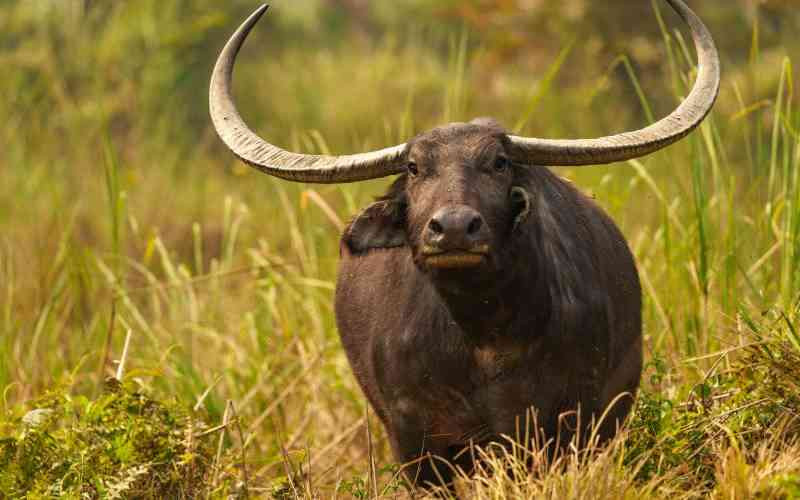
Africa is home to many iconic national parks and marine reserves, such as Virunga in the Democratic Republic of the Congo, Niokolo-Koba in Senegal, Kruger National Park in South Africa and Serengeti National Park in Tanzania. Many of them were established during the colonial era, and nearly half are still managed by government agencies.
In total, the continent houses 8,924 protected areas, which make up 14.51% of Africa’s total land area. I am a scholar-practitioner with more than ten years’ expertise in environmental governance. I have researched what happens when communities are pushed out of protected areas and why these areas fail both people and wildlife. In my latest study, I analysed wildlife laws in all 54 African countries and found they were similar.






Subscribe to our newsletter and stay updated on the latest developments and special offers!







 join
join