×

The Standard e-Paper
Stay Informed, Even Offline
 The Standard Group Plc is a
multi-media organization with investments in media platforms spanning newspaper
print operations, television, radio broadcasting, digital and online services. The
Standard Group is recognized as a leading multi-media house in Kenya with a key
influence in matters of national and international interest.
The Standard Group Plc is a
multi-media organization with investments in media platforms spanning newspaper
print operations, television, radio broadcasting, digital and online services. The
Standard Group is recognized as a leading multi-media house in Kenya with a key
influence in matters of national and international interest.

Audio By Vocalize
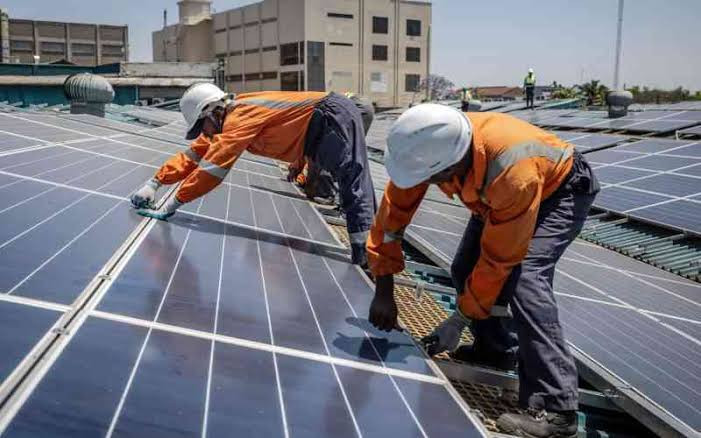
Unilever has invested Sh70 million in an 800kW solar power system at its Nairobi factory, targeting lower energy costs and greater stability in its manufacturing operations.
The solar installation, which became operational in June, is expected to supply about 30 per cent of the factory’s electricity and cut annual energy costs by approximately Sh30 million.
The investment is part of the consumer goods manufacturer’s efforts to increase renewable energy use across its operations and reduce reliance on conventional fuels.
Unilever said the solar system, combined with an earlier switch from heavy fuel oil (HFO) to biomass for its boilers, has helped reduce carbon emissions at the Nairobi plant by about 40 per cent compared with its 2023 baseline.
João F. Ribeiro, Unilever’s 1UL Supply Chain Head, said the investment would improve the factory’s resilience while making its operations more competitive.
“Investments like this make our operations more resilient and more competitive while reducing our reliance on conventional energy,” Ribeiro said during the unveiling of the installation at the factory.
The company said the shift to renewable energy would also make its energy costs more predictable, helping the factory manage fluctuations in conventional fuel and electricity prices.
Elodie Kouassi, Unilever’s head of supply chain for East Africa excluding Ethiopia, said the investment demonstrated that sustainability measures could be combined with efforts to improve business performance.
By reducing its dependence on conventional energy, the factory is expected to lower its operating emissions while strengthening the resilience of its supply chain.
Unilever said its next phase of decarbonisation will focus on shifting hot-air generation from HFO to biomass-based fuels.
The company expects the move to further reduce fossil fuel consumption at the Nairobi plant.
The investment comes as manufacturers increasingly seek alternative energy sources to manage operating costs and improve the reliability of their production systems.
For Unilever, the Nairobi project forms part of a wider programme to expand renewable energy use across its manufacturing network while cutting emissions.
Stay informed. Subscribe to our newsletter


Subscribe to our newsletter and stay updated on the latest developments and special offers!







 join
join